
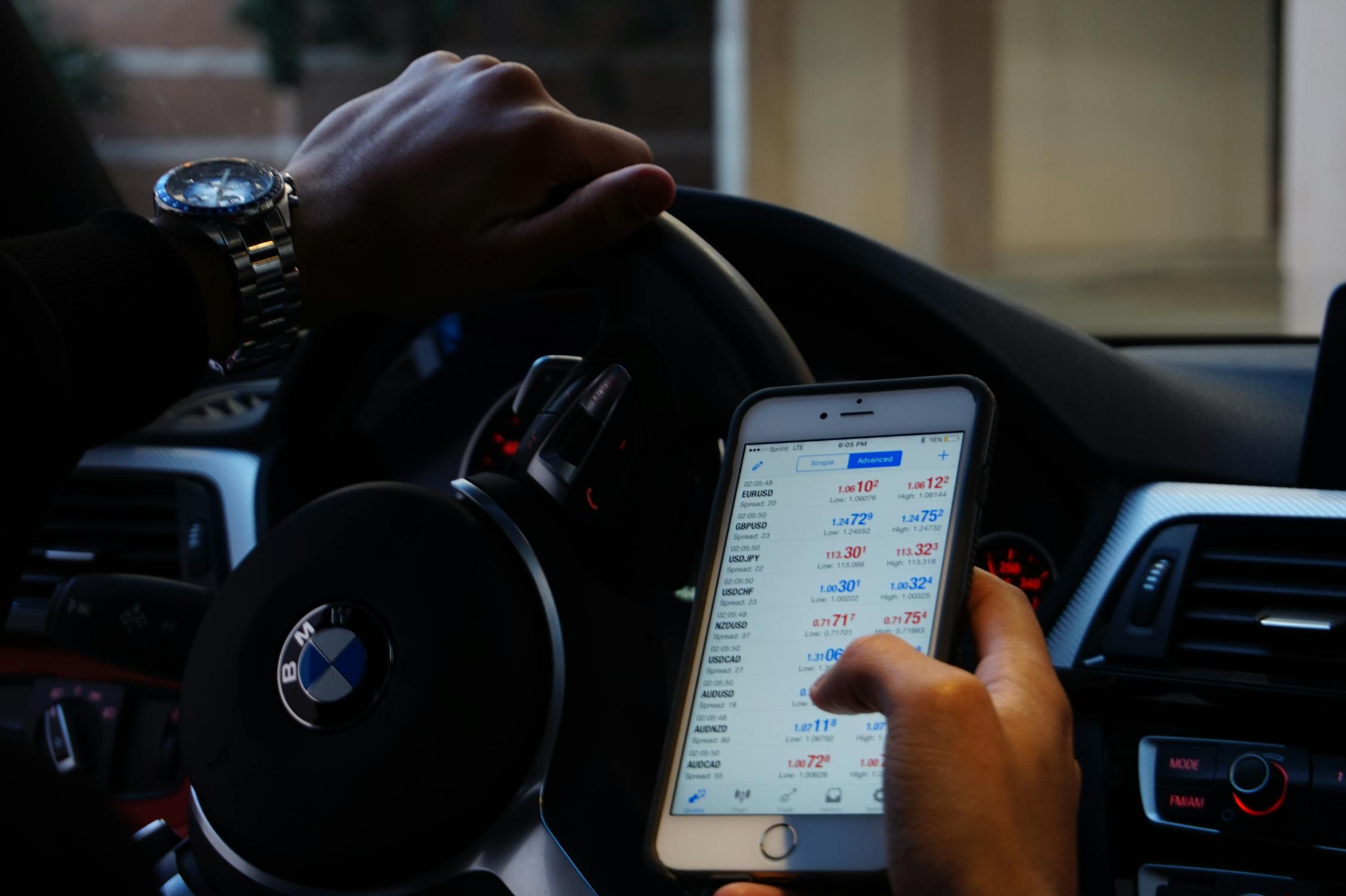
The foreign exchange marketplace is the platform where all major currencies are traded. Currencies are a pivotal part of everyday life for people around the globe. Forex needs to change hands (exchanged) in order for foreign importing and exporting of products. If you reside in the UK and you want to purchase cheese from France, you or the company will have purchase that cheese in Euros. Essentially this means the UK importer would have to exchange the same value of UK pounds sterling (£) into euros. This is the same principal for travelling. An English tourist in Peru cannot pay in Euros to see Ancient Mayan ruins, due to the fact it is not an accepted currency in that country. In this case, the tourist will need to change their British pound for the Peruvian equivalent.
One amazing aspect of the international marketplace is that there no centralized market for foreign exchange. Instead, currency trading takes place electronically, which means all transactions happen over computer platforms between purchasers around the globe. This is instead of having one market in a centralized location.
Importantly, the marketplace is open 24 hours a day, across a five day span per week (with a half day incorporated occasionally). Currencies are traded globally in the major cities of Tokyo, Zurich, Hong Kong, Paris, Sydney etc. Basically, there is a financial hub across every major time zone. Furthermore, when the trading day finishes in New York, it opens in cities such as Tokyo and Sydney. Thus, the Forex market is extremely active and this is why fluctuations in price occur.
Forex trading is constantly fluctuations due to the unpredictability of the currency market. It is definitely worth seeking expert advice fi you are considering get involved in Forex trading, as you need someone in the know to guide you, CMC Markets also have the most up-to-date information on the currency industry and they offer advice and how and where they think the market is moving.
Spot Marketing and Other Markets
Typically, there are 3 main ways that major conglomerates, businesses and other institutions trade in currency of Forex:
– the open forward market
– the spot market
– the open future market
Forex trading within the open market (spot market)has been popular and it has been the most expansive market because it incorporates the underlying asset, which the other two markets are fronted on. Traditionally, the open futures market was the popular for those traders who were able to offer it to individual investors for longer stints of time. Nevertheless, with the upturn in online trading, the spot market has rocketed into the limelight and now has more investors using it, as it is a hub for individual parties and risk-takers alike.
When people talk about the Forex market, they usually mean the spot market. The forwards and futures markets are usually more popular with businesses that require hedging their foreign exchange risk to a date in the near future.
What is a spot market?
A spot market is where currencies are traded at their current market value (bought and sold). The price is dictated by supply and demand and is a mirror of a variety of things including:
– interest rates
– economic stability and performance
– ongoing political situations within a country
– Perception of performance in the future (one currency’s performance against another)
When a deal is penned, it is more commonly referred to as a ‘spot deal’. Essentially, this is a bilateral purchase: one party will deliver on the agreed Forex purchase rate to the counterparty and therefore receives a specific amount of another currency at the chosen rate. After the termination of a position, the settlement is dealt with in cash. Commonly, the open market (spot) deals with purchases in the current position (as opposed to in the future), these agreements actually take place two days afterwards.
